

Recognizing and Responding to the Phishing Hoax
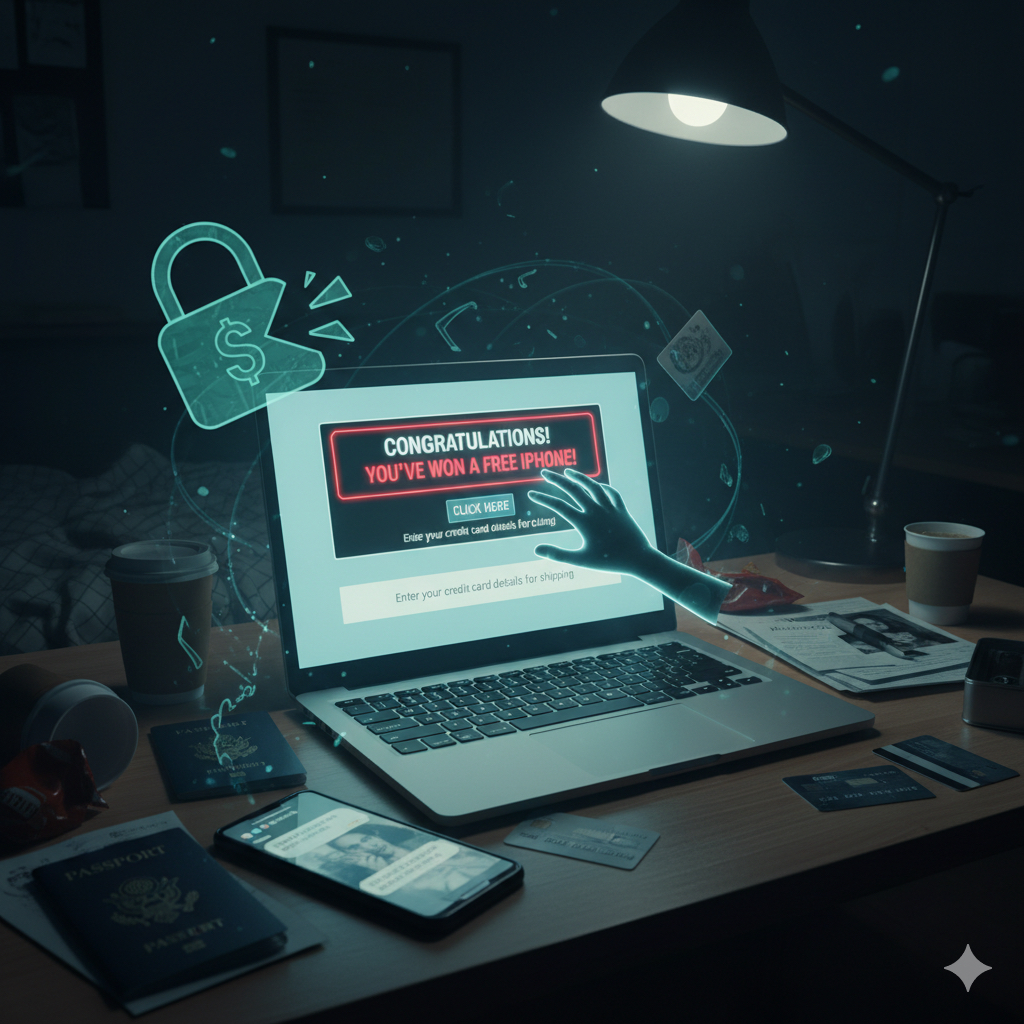
In an increasingly digital environment, instances of hoaxes and scams are common, often arriving disguised as legitimate communication. A relevant example involves a sophisticated phishing text message I received that was disguised as a final notification from a major shipping carrier. The text used a convincing logo and claimed my delivery was stalled due to a small, unpaid fee, directing me to click a link to resolve the issue immediately. This strategy exploits the common expectation of package deliveries and leverages urgency.
Purpose and Execution
The purpose of this scam was purely data manipulation and theft. The goal was not the small payment itself, but to steal sensitive personal and financial information, such as credit card numbers or login credentials, from users who clicked the link under pressure.
The scam was executed by exploiting two key ethical lapses: trust and urgency. Attackers used a visually familiar brand identity and the fear of a delayed package. When clicked, the link directed users to a fraudulent website designed to precisely mimic the legitimate carrier’s payment page. Any information entered on that fake site—the delivery address, payment card details, etc.—would be instantly compromised, illustrating how easily digital media can be manipulated to steal from unsuspecting individuals.
Determining Authenticity and Prevention
Determining whether the message was real or fake required applying critical verification skills. Several factors indicated the text was a hoax:
• Source Verification: The text came from an unknown, standard phone number, not an official short code used by major carriers.
• Atypical Request: Legitimate businesses rarely request immediate payment via an unsolicited text message link; they typically require logging into a secured account directly on their official website.
• Suspicious URL: The address of the link was slightly misspelled or contained extra characters when hovering over it, indicating a non-official source.
To prevent falling victim to something similar, the most effective strategy is never to click the link provided in the suspicious message. Instead, someone experiencing this should independently navigate to the carrier’s official website or app, log into their account, and check the tracking number there. If a real issue exists, it will be clearly noted in a secure account, preventing the submission of sensitive data on an attacker’s fraudulent platform.
That’s a good example! It’s crazy how real those texts can look sometimes. I like how you said to go to the actual website instead of clicking the link that’s super smart and easy to forget when you’re in a rush.
Thank you for the input. I agree that the realism of these messages is where the ethical challenge lies. The method of direct verification, bypassing the link and navigating to the carrier’s official site, is the most reliable countermeasure. It’s easy to overlook when you are busy, but it remains the critical step for prevention. I appreciate you taking the time to read the post.
Thanks for sharing your experience. Sadly this is happening to many of us and we need to be able to trust someone who can educate us on what to look out for.
Thanks for sharing that perspective. You’re right, with how common these scams are, we all need reliable ways to figure out what’s real. My main goal was giving people a concrete step they can take, since knowing what to look for is the best defense. Appreciate your input.
It’s too bad that this is something that we have to stop and think about these days. Gone are the days where we can trust and quickly proceed to do what is asked. This was a good reminder of what to keep an eye out for in order to protect ourselves.
I agree completely. It’s unfortunate that the default assumption of trust in digital communication is gone, forcing us to constantly pause and verify. That need to stop and think is the exact behavioral shift required for protection now. I appreciate you focusing on the takeaway and the importance of this kind of reminder.
That was really good information and I will take your advice and strategy to be more aware when online.
That’s awesome to hear. The whole reason I wrote the post was to make sure those steps were actually useful. Staying aware is definitely the best way to defend against this stuff now. Thanks for the feedback!